About…
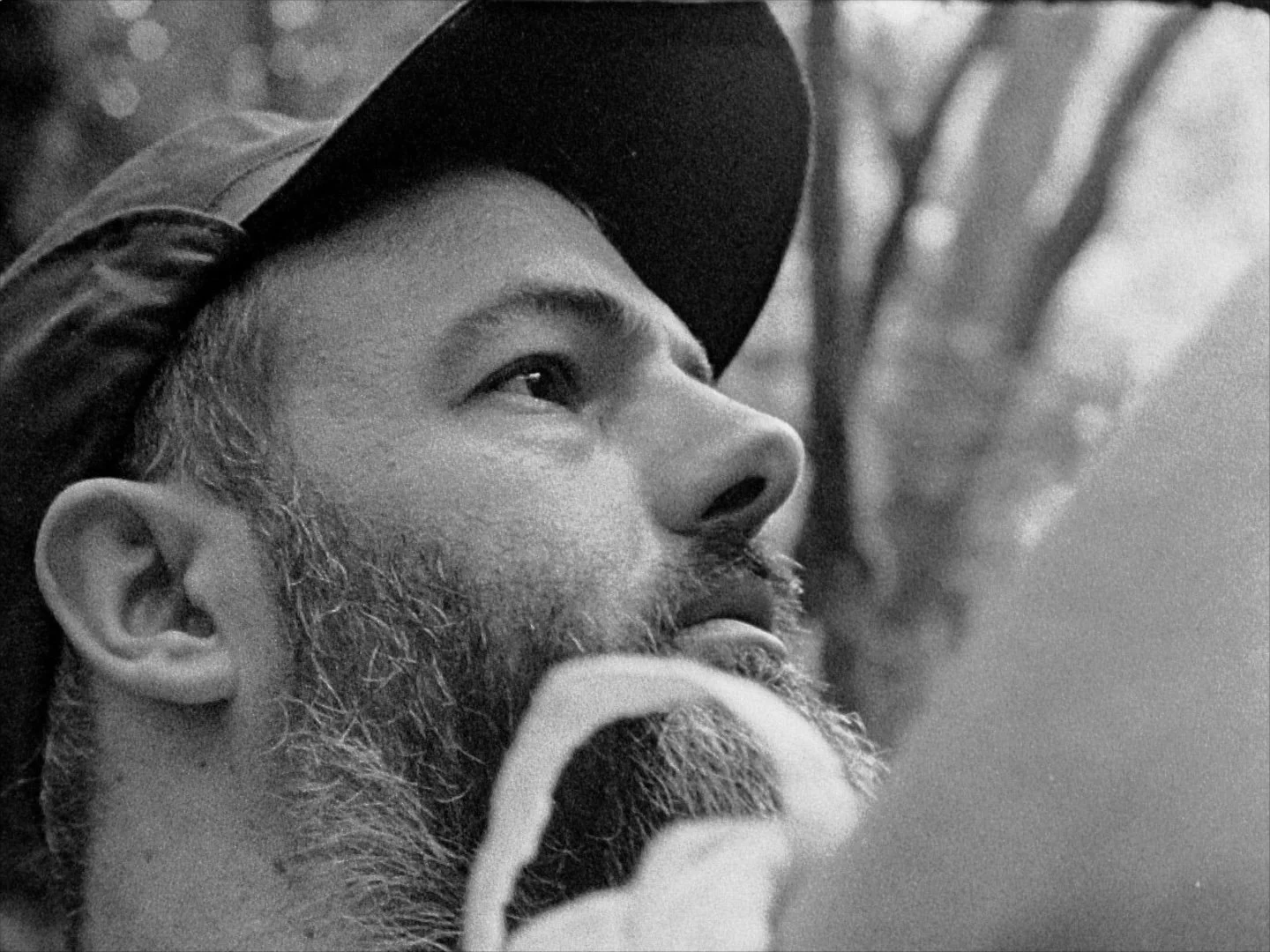
Ben is an ambient/folk/experimental musician originally from The Wirral but now residing in Nottingham. He combines acoustic instruments with computer processing to create folk inspired soundscapes.
Ben has been writing music since his teens, with just a basic grasp of guitar and even more basic recording equipment. Over the years he’s picked up more instruments and slightly better recording gear, and has been venturing out to perform live since 2022.
How I Learnt To Disengage From The Pack received Folk Album of the Month in The Guardian in January 2022. In 2025 he released Elkwort on Laaps, accompanied by Debbie Armour (Burd Ellen), Nick Jonah Davis and Elinor Rowlands.
For 2026, Ben is releasing a new EP every month responding sonically to St Anns Allotments in Nottingham. Featuring field recordings, conversations and new composition, Allotment Tapes follows the arc of the seasons through the oldest and largest allotment site in Europe.
In addition to his recording practice, Ben also composes for film and television library resources, and project-specific commissions. Get in touch to talk about licensing and composition for your project.
Ben works with HandMade Theatre in Nottingham delivering community facing music projects. Get in touch to discuss your project and how we might work together.
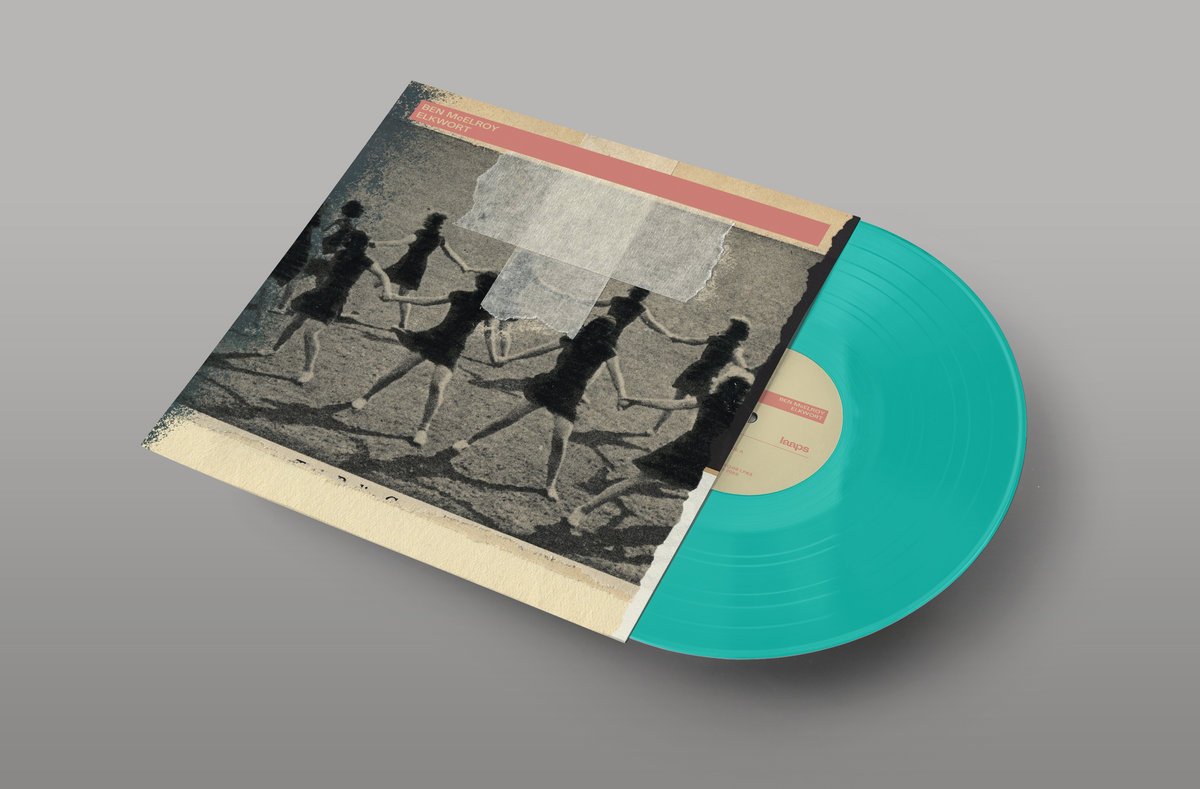
Elkwort
Released 28th April, 2025 on Laaps.
This album evolved from long improvisations on pump organ and cello.
I really wanted to play the instruments as a form of therapeutic release, a kind of stimming, paying more attention to this than the Appollonian aspects of the music. So scrape and repetition… anger and using the bow/keys to really try to gnaw into deep, old brain feelings.
I often start things with improvisations, but then tidy, smooth things out… I wanted to keep that aspect to the minimum here.. there is some, but where possible I’ve kept the squeaks, the noises, the mistakes.
The project took on another dimension when I received some funding from PRS Foundation, allowing me to bring more artists (Debbie Armour on vocals, Elinor Rowlands on spoken word and Nick Jonah Davis on guitar). Where possibly, these collaborations were also improvised, in the moment and left a little raw.
“I’m loving this at the moment.” - Zakia Sewell, Dreamtime 6 Music
"Dissonant and beautiful sonic meditations." Paddy Clarke, The Quietus
“Elkwort serves up an evocative, folksy psychedelia with strong earthy vibes – an enticing, intoxicating listen.” Songlines
Widdershins & Deosil
In late summer 2024 I headed out to Derbyshire with filmmaker Benjamin Wigley (who has worked with Benjamin Zephaniah and Nathaniel Mann amongst others) to shoot a short film on 16mm black and white film. We had a rough sketch of what we were going to do, how we were going to use the limited film rolls, but there was also an element of improvisation- including the conclusion to the film.
The puppet, Widdershins, was whittled (at least his head was) with help from Nottingham woodwork studio By Our Hands We Make Our Way... the first puppet head I've ever tried to carve! The result was rather primitive but the process was very therapeutic..
... as has been the composing of the music.. and I've been very lucky to be able to work with a couple of artists I admire greatly- fantastic folk guitarist and composer (and has recorded on records by Jacken Elswyth, Elizabeth Still and more) Nick Jonah Davis. The middle of the film features a dual guitar jam recorded at Nicks shed studio. The end of the film features the haunting vocals of Debbie Armour (Burd Ellen) recorded, again from a jam, at my favourite studio- JT Soar in Nottingham
An interview from the website Sonic Tapestries:
Hi Ben. It’s a pleasure to welcome you to Sonic Tapestries. Can you tell us a little about your work as an artist - what inspires you and what brought you to express your work specifically through sound?
Thanks! Music has had a huge impact on my life, especially when growing up, and got me through a lot of tough times. I ‘experimented’ with music, playing very basic guitar and manipulating with a Tascam 4 track.
I like other art forms but it was sound & music that spoke to me the most. I sometimes think of it like creating a world/space… I think sound can really help you immerse in a space (or perhaps more correctly a time)… and I find it comforting to organise sounds, to create a bit of order, whilst also letting parts run free). I’m fairly recently diagnosed as autistic and so yeah, having an element of life I can retreat to and create that is malleable in some way is really comforting.
Your current project - The Allotment Tapes - a series of releases that feature field recordings and conversations from St. Anns Allotment in Nottingham. Can you tell us about how this project came together/your inspirations for the project?
I’ve been making more traditional albums for a number of years and I wanted to try and present something slightly differently.
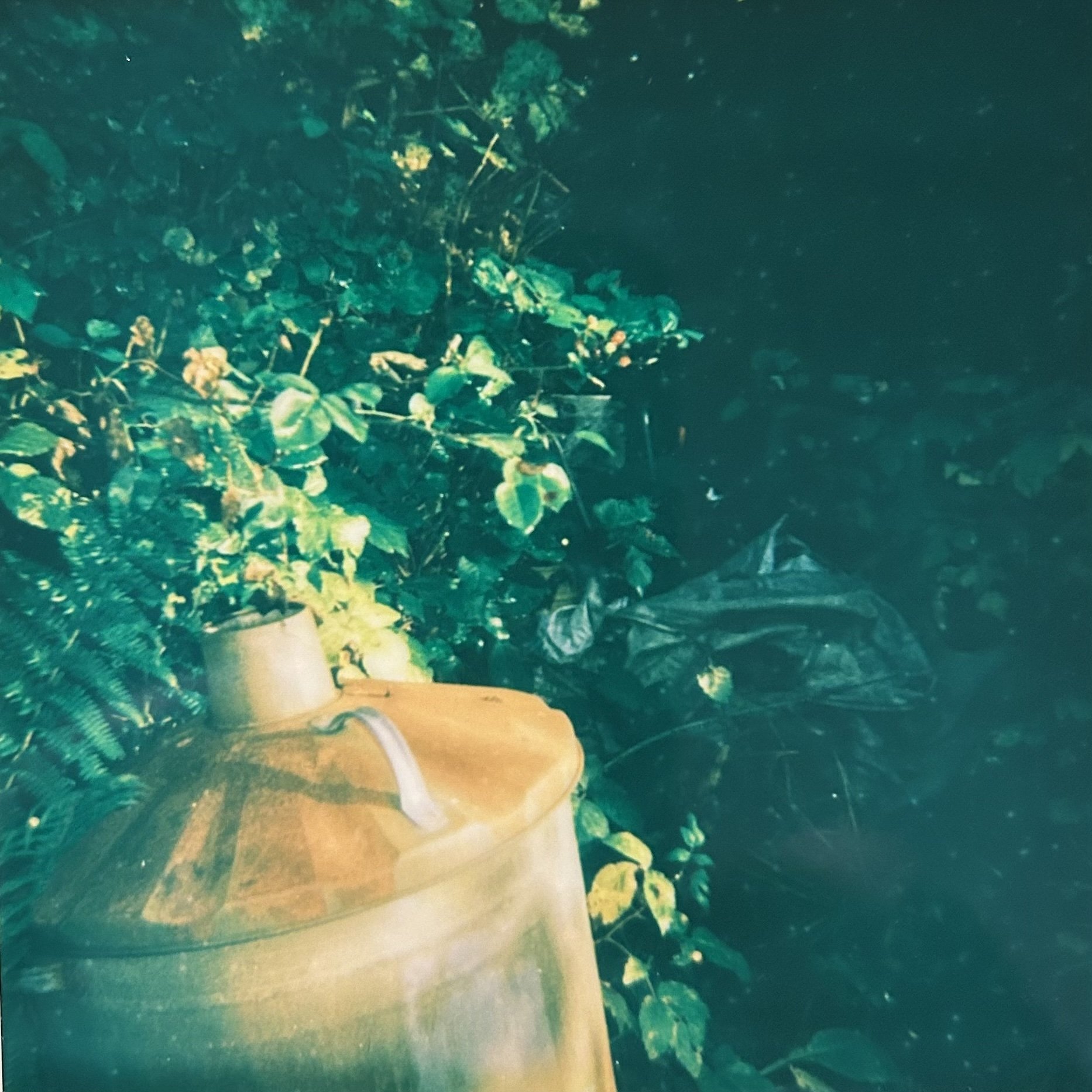
I came to these allotments, and St Anns in particular, via a rather wavy process… I think I wanted to do something connected to land use/nature as these are subjects that are important to me. What I love about allotments is the real DIY, non- conformist vibe that purveys them. Aesthetically, I think they’re lovely, all higgledy-piggledy, sheds made from old doors, nature re-claiming an old watering can. I think there’s something really positive and nourishing about this. It also comes across when talking to plot holders, some really lovely ‘plot-philosophy.’
So, originally I was thinking allotments in general, but then I spent a bit more time at St Anns and realised what an amazing space it is. Firstly, it’s huge and a bit mysterious — a lot of the plots are separated by high hedges, some of the alleys are like little warrens. It’s got a great and varied history as well (from Victorian leisure gardens to vital food supplies, a period of decay and crime and the regeneration of the last 30 years). It’s very much an inner city green space and there are a number of initiatives enabling access to the site and its nature and the opportunity to grow your own food for the local community.
Your work pulls inspiration from natural soundscapes & familiar environments close to you. What is your approach to field recording? Do you seek particular sounds out or do you record first then pick out what interests your ears when listening back in the studio?
Very much the latter.. apart from the recent allotment interviews, I’ve never really set out to record something in particular, I just take my little recorder out and see what’s wha!. Initially I started using field recordings as I felt some tracks just needed a bit more life in them!
Do you use a lot of digital processing when working with sound or do you prefer to keep things natural and organic?
I don’t really have one or the other.. it depends on what’s needed. I don’t have any purist ideas and will have bits of processing on every track. I guess I’d mostly try and keep instruments sounding fairly natural (unless I feel they need a load of delay and filters). I do like using a fair bit of creative tape effects (lets be honest, cheaper and quicker than the real thing!)
Do you have a particular non-musical practice that helps to put you into the creative mindset for composing or field recording?
Not really, but if I was more organised I probably should. One of the things I’m looking at doing more of down the site is looking into the Deep Listening practices of Pauline Oliveros. I do find the act of recording sounds quite mediative in itself, forces you to quieten down the background chatter and really listen in.
“A shivering seabed of sound, haunted by barely there vocals and stitched together with lo-fi production.”
— THE GUARDIAN
“Experimental lo-fi folk music at it's very best.”
— LEFTLION MAGAZINE
“An evocatively curated and wonderfully weird album.”
— SONGLINES MAGAZINE
“Reengaging with the old, he has created something truly unique.”
— KLOF MAGAZINE